Nearby attractions
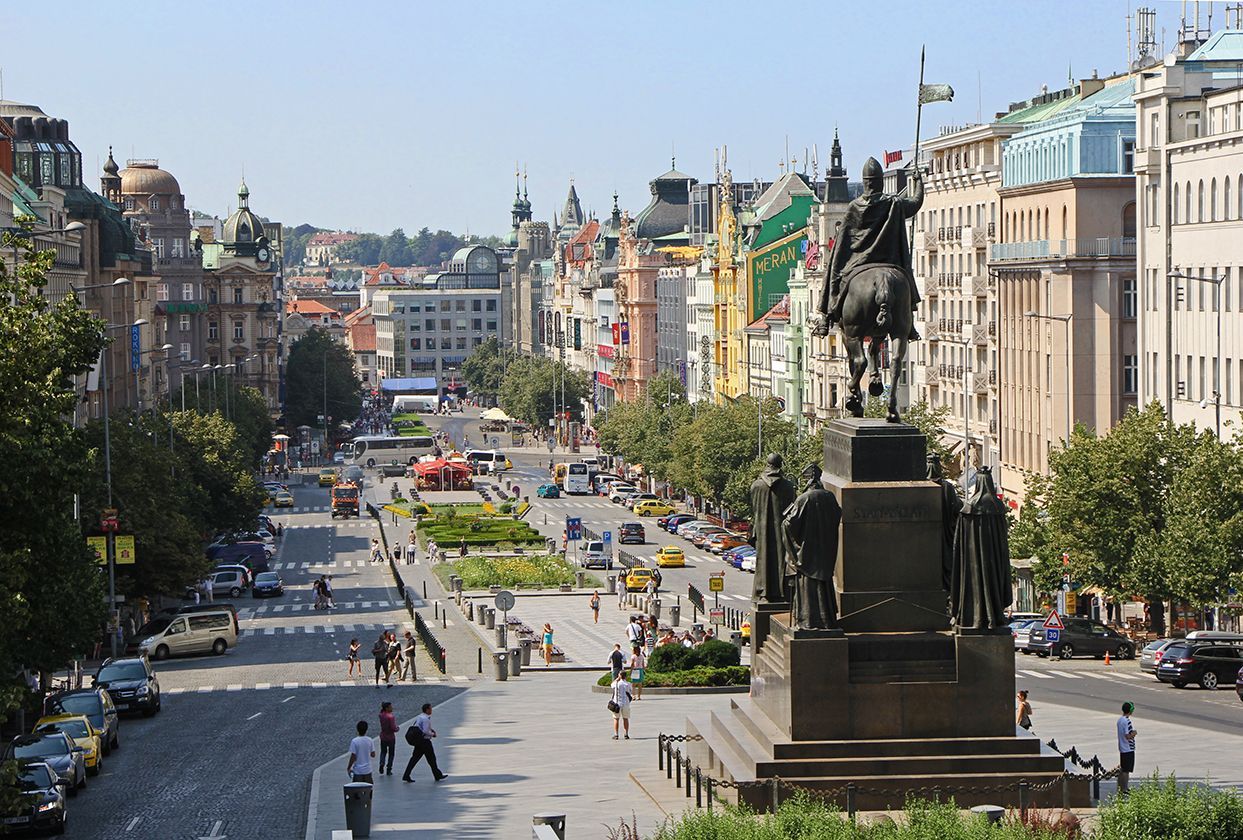
The heart of Prague full of history and life
Wenceslas Square
4 minutes walk
Wenceslas Square is one of the most famous and important places in the heart of Prague, boasting a rich history and vibrant cultural life. Named after Saint Wenceslas, the patron saint of the Czech lands, this iconic square was originally founded as a horse market in the 14th century during the reign of Charles IV. Today, it is a place where both locals and tourists from all over the world meet to admire the monuments, enjoy shopping, savor the local cuisine and soak up the unique atmosphere of the city.
Wenceslas Square is a wide boulevard, over 750 meters long, lined with majestic historical buildings and modern architecture. At its upper end stands the National Museum, one of the most important museums in the Czech Republic, and the equestrian statue of Saint Wenceslas, which is not only a symbol of Czech statehood, but also the site of many important events and gatherings. The square is important to the Czech nation not only as a tourist destination, but also as the scene of key historical moments, including the Velvet Revolution in 1989, which led to the fall of the communist regime.
Today, Wenceslas Square combines historical roots with contemporary life and attracts visitors to a diverse range of shops, restaurants, cafés and cultural events.
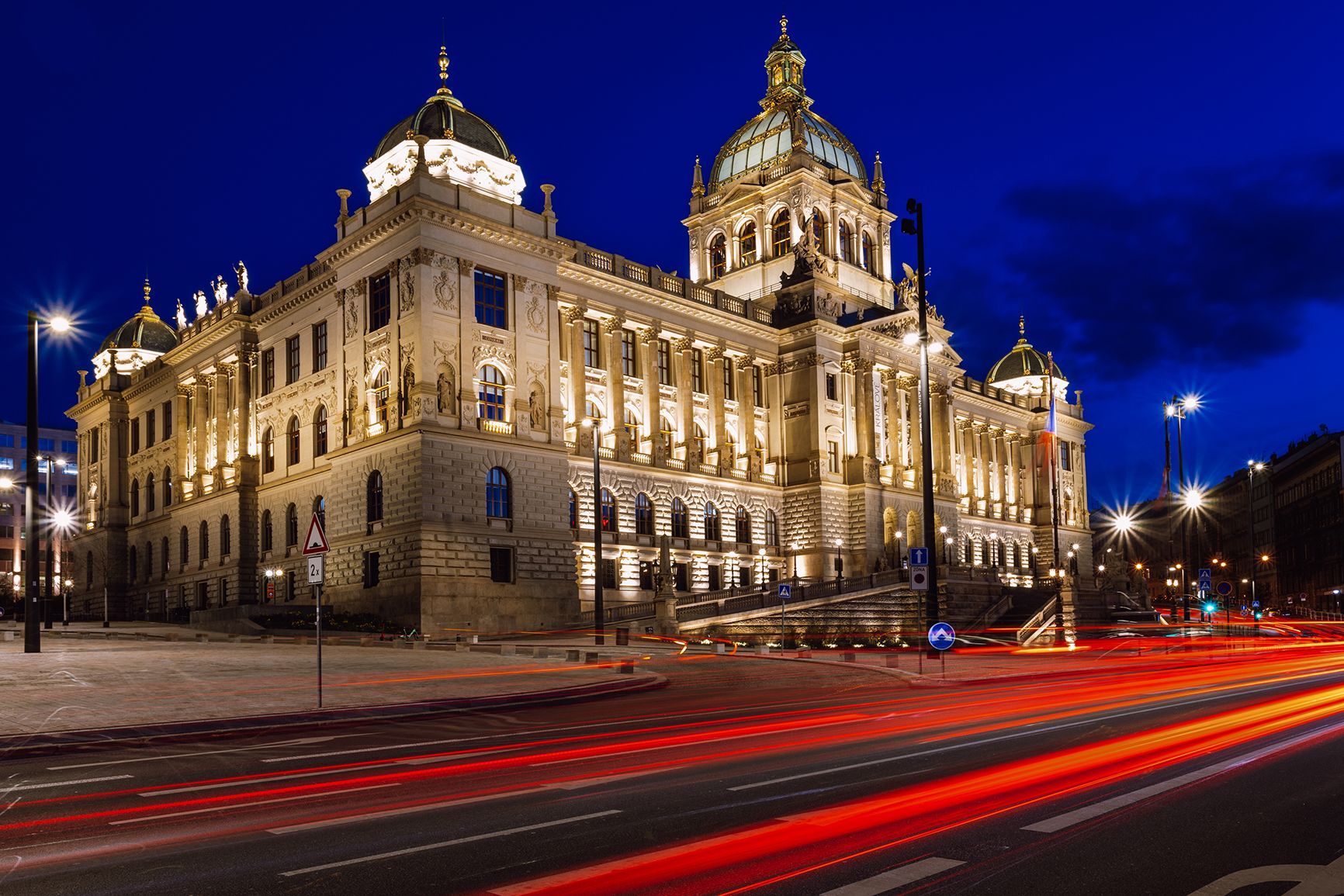
The heart of Czech history and culture
National Museum
10 minutes walk
The National Museum in Prague is one of the most important cultural institutions in the Czech Republic. Founded in 1818, the museum preserves and exhibits extensive collections focusing on natural sciences, history, archaeology and art. The museum is dominated by its neo-Renaissance main building on Wenceslas Square, which in itself is a historical gem of Czech architecture.
Thanks to the recent renovation, which took place between 2011 and 2019, the museum has gained a new shine and expanded exhibition spaces, which allow the exhibits to be presented in a modern and interactive way. Visitors can admire unique treasures here, such as prehistoric animal skeletons, mineral collections, ancient artifacts and many other interesting things that reveal a rich history of natural and cultural history. In addition, the National Museum organizes thematic exhibitions, educational programs and cultural events, thanks to which it is a permanent place of knowledge and inspiration for all ages.
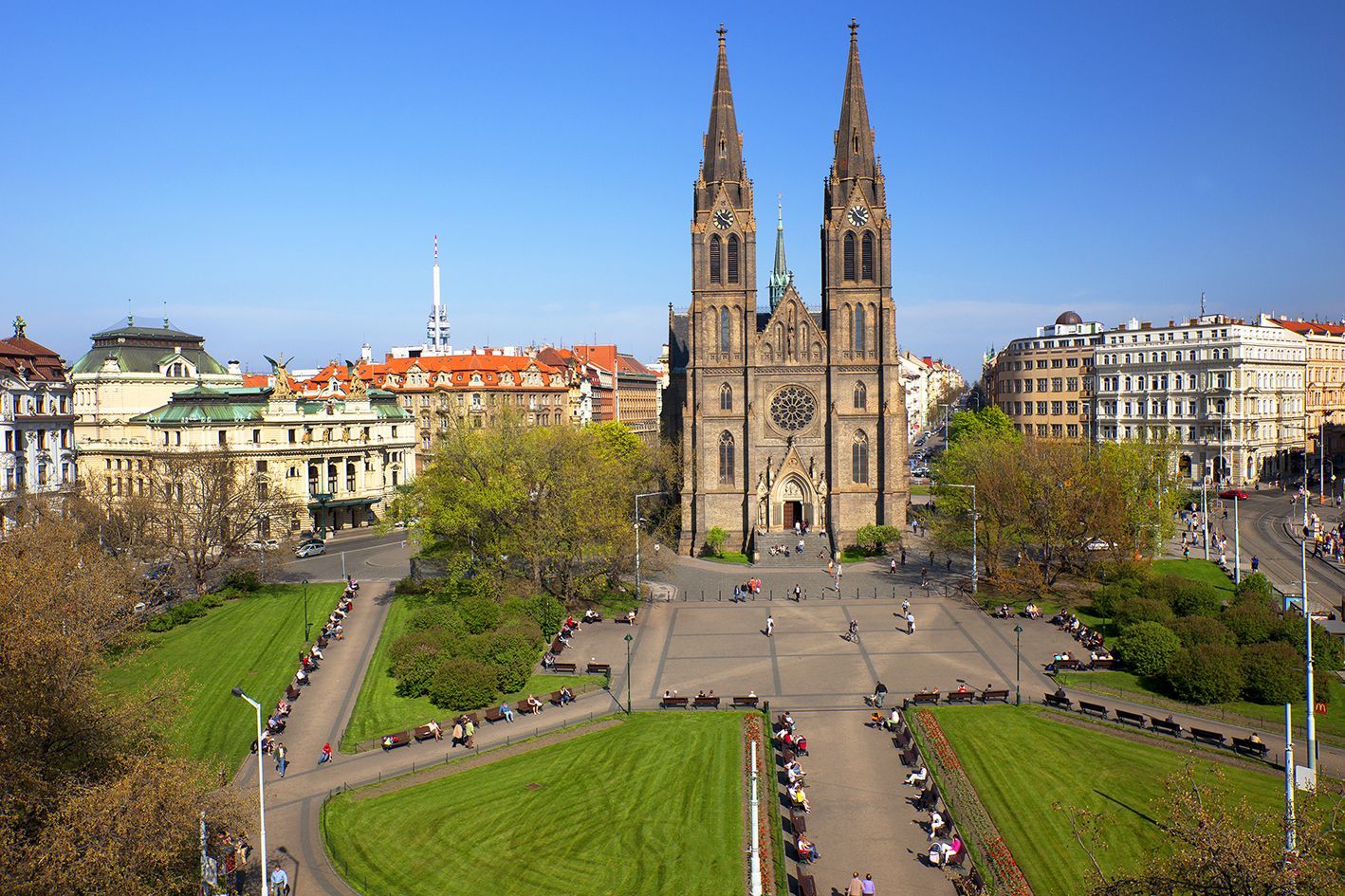
A combination of elegance and comfort
Peace Square
10 minutes walk
Located in Prague's Vinohrady district, Náměstí Míru is a popular meeting and relaxation spot for locals and visitors alike. Dominated by the majestic Basilica of St. Ludmila, a neo-Gothic cathedral built in the late 19th century to a design by architect Josef Mocker, the square's twin 60-meter-high towers and richly decorated interior attract history and architecture lovers.
The church is dedicated to Saint Ludmila, grandmother of Saint Wenceslas and the first Czech saint, and has become an important symbol of Czech spiritual history.
Peace Square is also a place for cultural and social events - markets, festivals and Advent events are held here, which bring a unique atmosphere. Surrounded by greenery and beautiful Art Nouveau buildings, the square is a popular place for relaxation. Thanks to its easy accessibility by metro and trams, this location is ideal not only for walks, but also for exploring the surrounding monuments and cultural institutions. A visit to Peace Square and the Basilica of St. Ludmila is an unforgettable experience, combining the beauty of architecture with the peaceful environment of urban greenery.
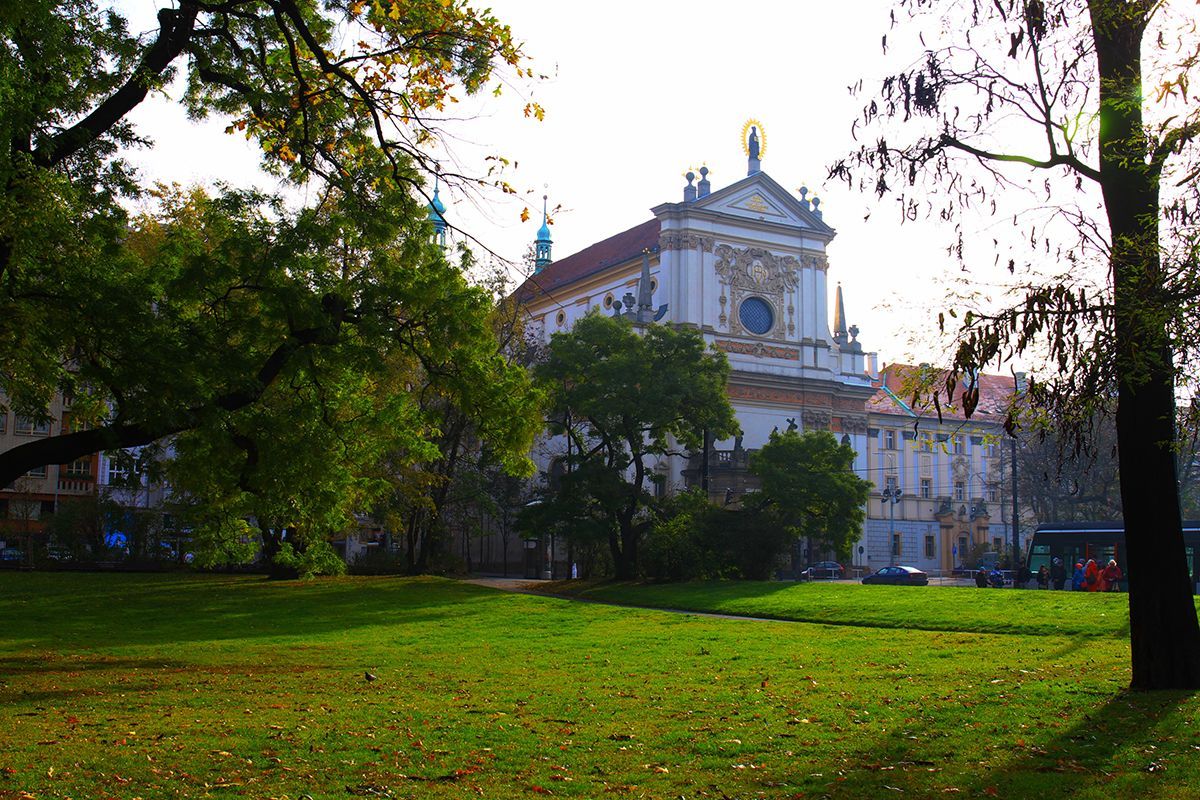
A historical gem and the green heart of Prague
Charles Square
11 minutes walk
Charles Square, located in the historic center of Prague, is one of the largest city squares in Europe. It covers an area of more than 80,000 m² and is surrounded by important historical buildings, many of which date back to the Middle Ages. The square was founded in 1348 at the initiative of Emperor Charles IV. as part of the New Town of Prague and was originally known as the Cattle Market. It only acquired its current name in the 19th century in honor of Charles IV.
The square is dominated by a large park, which serves as a resting place for residents and tourists. The park contains numerous monuments and statues, including the monument to Eliška Krásnohorská and a Baroque fountain. On the eastern edge of the square stands the New Town Hall, where the first defenestration of Prague took place in 1419, which triggered the Hussite Wars.
Charles Square is also a major transportation hub. It is crisscrossed by tram lines and has a metro station nearby. It combines history and modern life, making it a unique place that reflects both the rich past and the current dynamism of Prague.
A place of legends and eternal beauty
Vysehrad
25 minutes walk
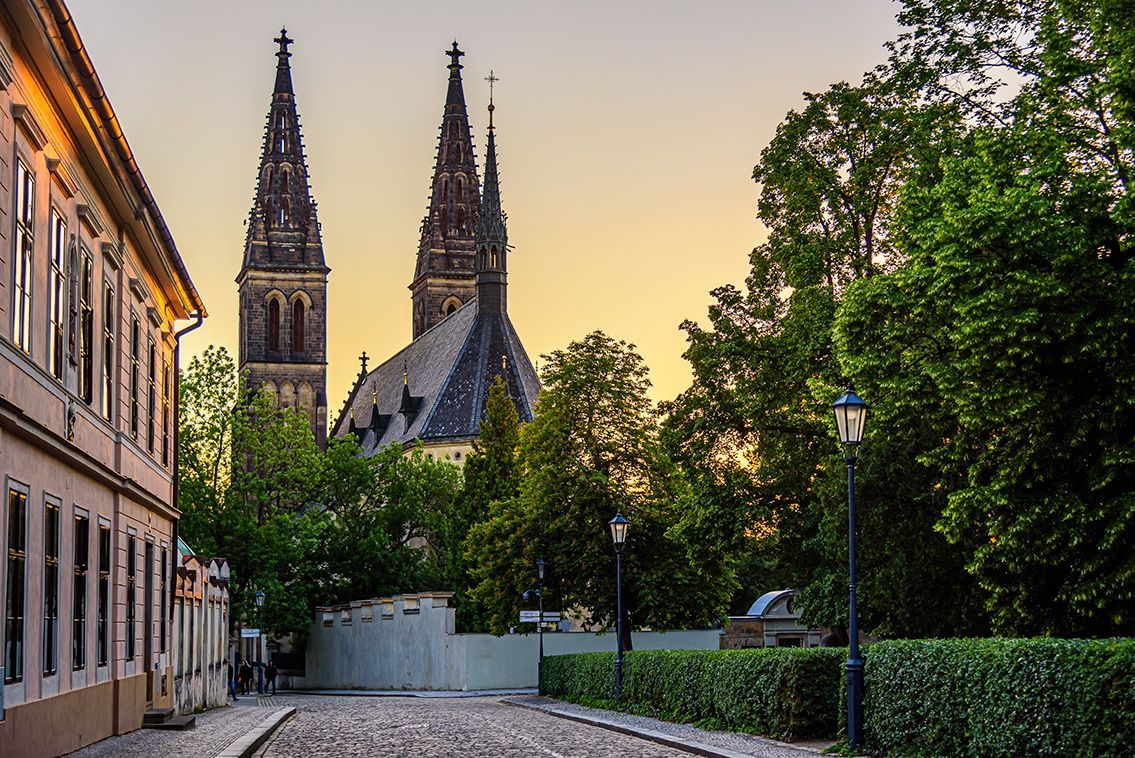
Vyšehrad is one of the most important historical sites in Prague, steeped in legends and offering a magnificent view of the city. According to legend, Princess Libuše, who prophesied the glory of Prague, lived here, and her family had their seat here even before the arrival of the Přemyslids at Prague Castle. Although archaeological finds confirm settlement in the early Middle Ages, Vyšehrad was not a truly significant fortress until the 10th century.
It reached its greatest flourishing during the reign of Vratislaus II in the 11th century, when a royal residence and a collegiate chapter were established here. The royal court later moved back to Prague Castle, but Vyšehrad retained its strategic and spiritual importance. The massive fortifications, which were rebuilt into a Baroque fortress in the 17th century, can still be seen here.
The most important monument is the Basilica of St. Peter and Paul, which has undergone several reconstructions over the centuries - it acquired its current neo-Gothic appearance at the end of the 19th century. Inside the church there is rich decoration, including Art Nouveau frescoes and rare Gothic relics. Next to the basilica is the Slavín cemetery in Vyšehrad, where important figures of Czech history are buried, such as Bedřich Smetana, Antonín Dvořák, Karel Čapek or Alfons Mucha.
Vyšehrad is not only a historical gem, but also a popular place for walks. It offers peaceful parks, romantic paths and breathtaking views of Prague. In addition to history, visitors will also find cultural events, exhibitions and open-air concerts. Today, Vyšehrad is a combination of the ancient past and the vibrant present, attracting tourists and locals to discover its unique atmosphere.
The heart of Prague beating to the rhythm of history
Old Town Square
30 minutes walk
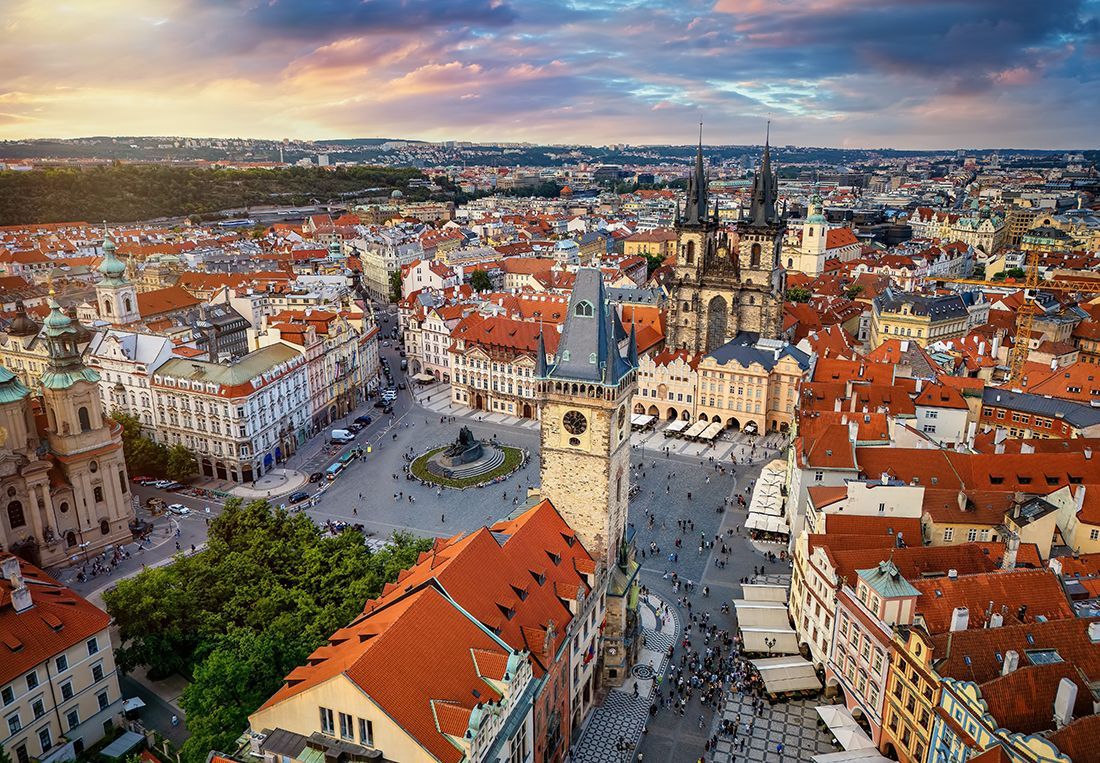
Old Town Square is one of the most famous and historically significant places in Prague. It is located in the very heart of the Old Town and has been the center of social, commercial and political events for centuries. The square is surrounded by beautiful historical buildings and monuments that attract tourists from all over the world.
The most prominent landmark of the square is the Old Town Hall with its legendary astronomical clock. This unique astronomical clock, dating back to the 15th century, attracts crowds of visitors every hour to watch the movement of the apostles and other figures. The clock is one of the oldest still functioning mechanisms of its kind in the world.
Another prominent building on the square is the Týn Church with its typical Gothic towers, which form the characteristic silhouette of Prague.
This church, dedicated to the Virgin Mary, was an important center of Hussiteism and remains one of the most beautiful church buildings in the Czech Republic to this day. In the middle of the square is a monument to Master Jan Hus, a prominent reformer and preacher who was burned at the stake in 1415. The monument, unveiled in 1915, symbolizes the Hussite movement and its fight for truth and justice.
Historically, the Old Town Square has witnessed many significant events, including the execution of 27 Czech lords in 1621, as commemorated by crosses set into the pavement. The square is also a place where various festivals, markets and cultural events take place, the most famous of which are the Christmas markets, which are among the most beautiful in Europe.
The square is lined with beautiful historic houses, such as the Stone Bell House or the Kinský Palace, which now serves as part of the National Gallery. Each building here has its own unique story and architectural style, reflecting Prague's rich history.
Thanks to its atmosphere and unique combination of history, culture and architecture, Old Town Square is one of the most visited places in the Czech Republic.
The largest castle complex in the world
Prague Castle
4.5 km - 30 minutes by public transport, 60 minutes by walk
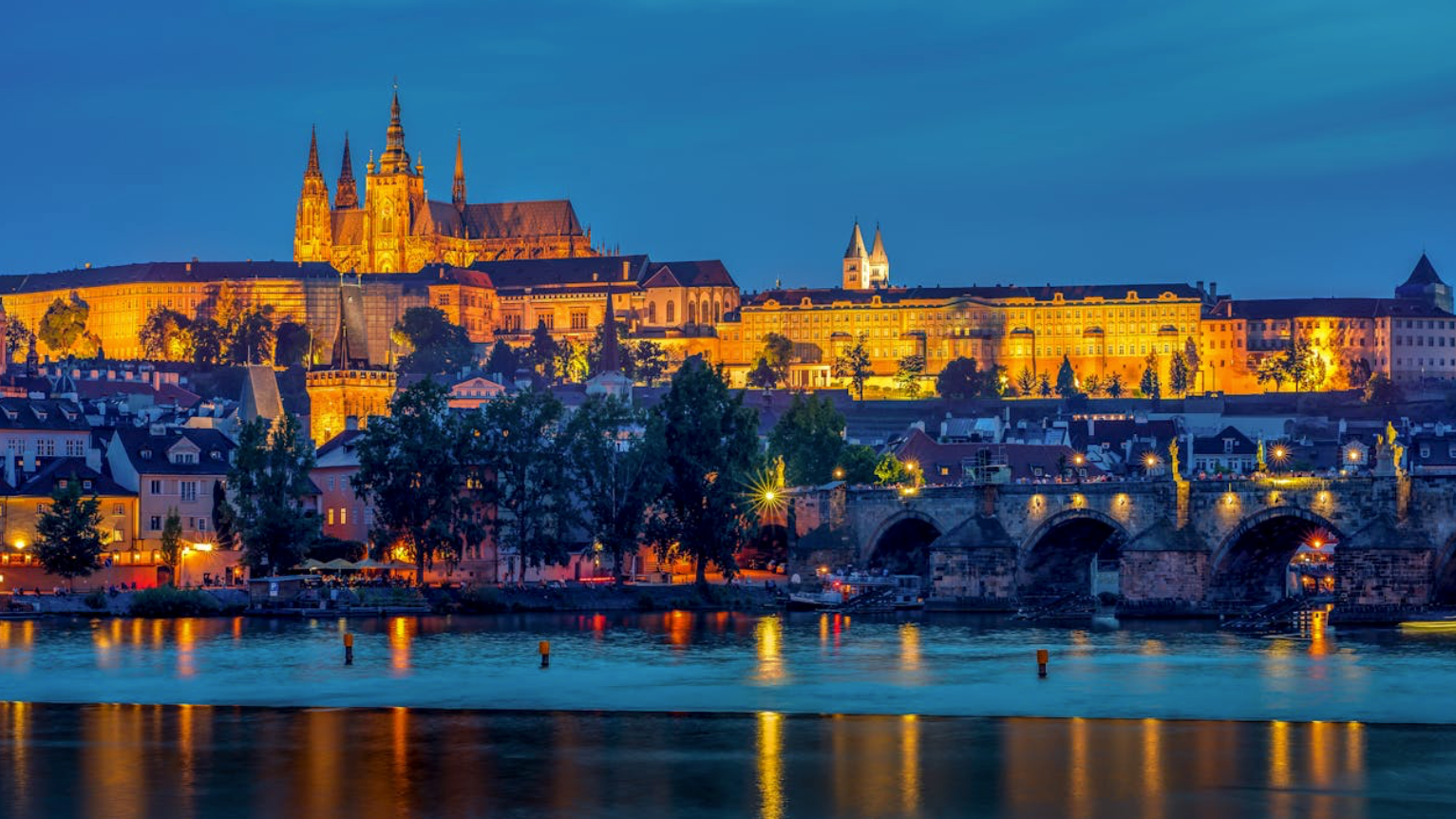
Prague Castle is an icon of Prague and, according to the Guinness Book of Records, the largest continuous castle complex in the world. The complex consists of several courtyards, palaces and sacred buildings, and a walk through the castle grounds offers some of the most beautiful views of the city.
What not to miss here:
The dominant feature is the Cathedral of St. Vitus, Wenceslas and Adalbert, next to it the Old Royal Palace and the Basilica of St. George are also worth a visit. The Golden Lane with its small houses is also a great experience - it was built at the end of the 15th century and is shrouded in legends; among its famous residents is Franz Kafka.
Prague Castle is a "safe" trip in any season - whether you are looking for history, architecture or just the atmosphere and panoramas of Prague.
Gothic landmark of Prague
St. Vitus Cathedral
4.5 km - 30 minutes by public transport, 60 minutes by walk
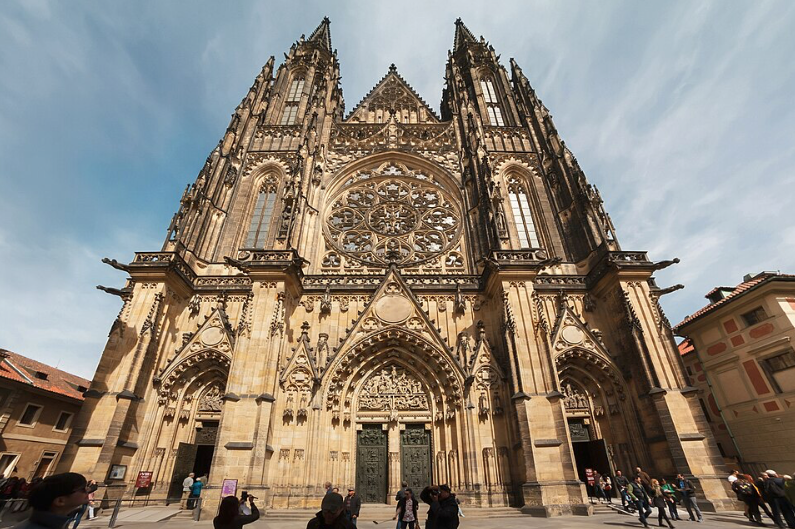
St. Vitus Cathedral is the most important church in the Prague Castle area and for centuries was one of the main symbols of Czech statehood — among other things, the coronations of Czech kings and queens took place here.
The current Gothic cathedral began to be built in 1344 on the initiative of Charles IV. and its most important builders include Matthias of Arras and later Peter Parler. It was not officially consecrated until 1929, after centuries of interruptions and completions.
What not to miss:
Inside, the biggest attractions include the Chapel of St. Wenceslas and the Golden Gate (ceremonial entrance from the third courtyard).
Practical note about the visit:
The Prague Castle Administration currently states that the "freely accessible" part of the cathedral is not accessible and a valid circuit ticket is required to visit.
Contact us
Do you have a question? We're here to help. Send us a message and we'll get back to you.